
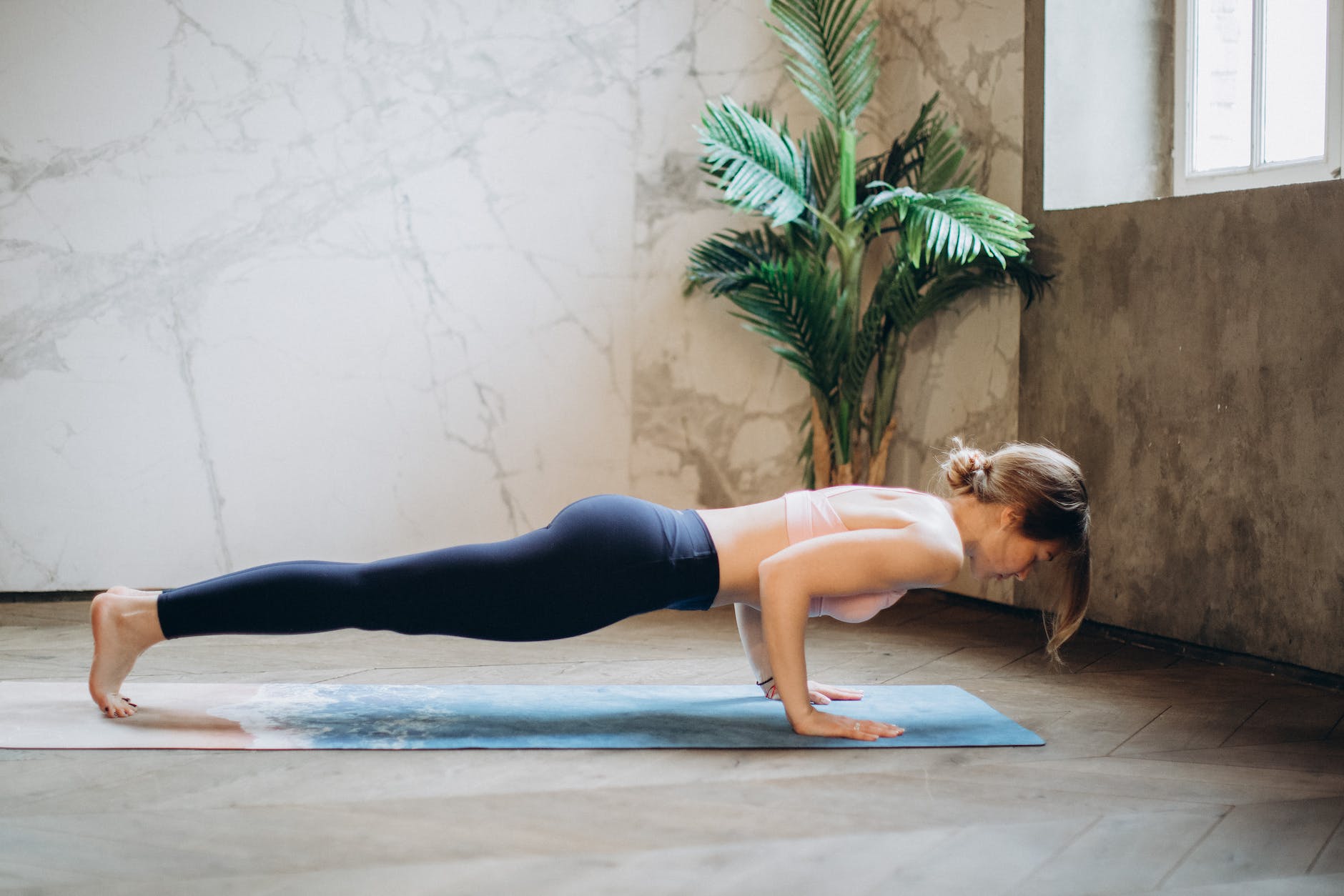
We know we should exercise and stay active. Studies have shown how much exercise promotes physical, mental and emotional well-being. Staying physically active and working out are the fundamental blocks of good health.
We all know about this; we are aware. So, now comes the practical part of physical exercise, which is to start exercising.
To incorporate exercise into your daily routine, a few things you need to be clear about:
- Make up your mind you will work out as regularly as possible.
- Try to set a specific time for workouts. Doing this will help you plan your schedule around it, and you won’t have to struggle to find time because it will be a part of your routine already.
- You should figure out what exercises you should do, for how long, and how frequently.
So, Exactly How Much Should We Exercise?
As per research, the following are the recommendations about how much exercise you should do. These are per week workouts and not per day. You need both cardio and strength training.
- 150 minutes of moderate-intensity aerobic workouts (like brisk walking) per week with 2 days of strength training per week. Or,
- 75 minutes of vigorous-intensity aerobic workouts per week with 2 days of strength training each week. Or,
- You can do a mix of vigorous and moderate-intensity workouts with 2 days of strength training per week.
- As per studies, 30-60 minutes of strength training per week is enough.
The goal should be to get all the major groups of muscles— legs, hips, back, abdomen, chest, shoulders, and arms.
- Examples of moderate-intensity workouts: brisk walking, dancing, lawn mowing, hiking, dancing, water aerobics, and biking.
- Examples of vigorous-intensity workouts: running, swimming, skipping/jumping ropes, aerobics, HIIT, and sports like football, basketball, etc.
- Examples of strength training: Lifting weights, using resistance bands, using your weight (planks, squats, burpees, lunges, pushups), lifting heavy bags, pilates, heavy work around the home— digging, shovelling, etc.
You can spread the recommended minutes of workout throughout the week according to your schedule. For example,
- 30 minutes of moderate-intensity workout, for 5 days a week with 2 days of rest each week.
- 15 minutes of vigorous workout, for 5 days a week with 2 days of rest each week.
Don’t get overwhelmed
Please note that the workout recommendations are the minimum amount of workouts needed per week. You can do more if your health, time and endurance allow it.
As per AHA (American Heart Association), with 300 minutes of moderate-intensity workout per week, you can yield even more health benefits.
But don’t get overwhelmed with the numbers because some workout is better than no workout. So, if in the beginning, you can’t do a 15 to 30-minute workout, you can start with a 5 to 10-minute workout and then increase your time as your body gets stronger.
Additionally, if you can’t do a 15 to 30-minute workout in one go, you can divide that into smaller sessions and do it as per your schedule. For example, 8 minutes of vigorous workout in the morning and evening each. Or 15 minutes of moderate-intensity workout in the morning and evening each.

Can You Skip Working Out If You Have A Physically Active Job?
The short answer is no, you still need to workout even if you do a physically active job.
The idea with regular cardio and strength training is that your heart, all the major muscles and joints engage in the physical activity. There should be some degree of active “work” that your heart and your muscles should engage in.
This usually doesn’t happen even in jobs where you have to either stand a lot or even walk a lot because usually only a set of muscles are getting engaged most of the time and not your whole body.
So, no, you shouldn’t skip workouts even if you do a physically active job.
Why Is Cardio Exercise Important?
As the name suggests, cardio is the group of exercises that makes your heart beat fast and pump out more blood.
Cardio workouts are essential for cardiovascular health. Not only can physical exercise prevent heart diseases, but people with cardiovascular illnesses and other diseases like diabetes can benefit from a good cardio workout as well.
There are tons of health benefits of cardio workouts, other than supporting heart health, including improved immune system, better cognition, reduced inflammation, increased sense of well-being and many more.
Why Is Strength Training Important?
Strength training helps strengthen your muscles. You can do strength training with equipment, lifting heavy bags, resistance bands and even your body weight (squats, planks, lunges, burpees, etc.).
Strength training makes your muscles strong, which translates into a longer lifespan, better balance, less risk of falls, especially in older ages and better bone health.
Additionally, both cardio and strength training are essential for maintaining heart health.
A brief note about the duration of strength training workouts:
There is no officially recommended time duration for strength training. However, as per studies, 30 to 60 minutes of strength training per week is enough to yield all the health benefits.
Interestingly, the benefits of strength training plateaus after one hour and decrease after two hours.
So, two 15 to 30-minute sessions per week should be your target.
Rest Days Are Important When You Workout
Desperation is a bad look on everyone. Doing too much is not good ever. I can tell you from personal experience that not taking break days is an extremely bad idea. It will only slow down your progress and increase the risk of injury. If you want to improve your performance and strength, you need to take days off.
Rest days are important because workouts cause wear and tear on the muscle tissue. You should take breaks so your body can repair the damaged tissue and give your muscles an upgrade. With time, you will be able to do the same workouts with less effort. But for this to happen, rest days are essential.
Also, if you don’t take adequate breaks, you will hit mental exhaustion and burnout pretty soon. If you reach this point, chances are you will quit working out altogether very soon.
So make sure that you take 1 to 2 rest days a week, depending on the intensity of workouts you do. If on any given day you feel like you need a genuine off, even if you hadn’t planned for it— take the extra rest day, but don’t unnecessarily abuse your body.
A Simple Way For Beginners To Know If You Are Doing Too Much Exercise
One sign of you doing it too much is when you feel fatigued all day long and you get easily exhausted doing simple daily tasks. You may even develop muscle and joint pain. Muscle soreness is a normal response of your body when you start exercising. But the muscle pain you get when you are overdoing it is different from muscle soreness.
If you start reaching this point, take a few days off and up your protein intake.
A weak body will never yield you good health. Period.
Precautions To Take If You’re Finally Getting Active After A Lifetime Of Sedentary Life
If you lived a very sedentary life all your life and now you are planning to get started with exercising regularly, please get an okay from your doctor to rule out any hidden cardiovascular issues that may get aggravated during the workout, especially if you are middle-aged and up.
Doing this will help you decide the level of physical activity you can safely engage in.
Irrespective of age and health status, most people will benefit from exercising. There are workout options for all.
I would also recommend against exercises like headstand to middle-aged and up groups or if you have any health issues that compromise the calcium levels in the body.
Osteoporosis is a common issue in the older ages. It is seen in both genders but is more common in post-menopausal women.
Unless you have been doing it all your life, you shouldn’t attempt workouts that put your whole body weight on one joint or your neck in older ages to avoid pathological fractures that may develop from weakened bones resulting from osteoporosis.
P.S. Normal serum calcium levels do not rule out osteoporosis.
Does Regular Exercise Mean You Will Never Have Any Health Issues?
Well, no, that’s not necessarily the case always. Exercising regularly will reduce the likelihood of developing diseases like hypertension, diabetes, cancer, etc.
Unfortunately, these diseases have more than one cause. While exercise can help you prevent and help manage them better, there are no guarantees— there never are with the human body because we’re all so different.
Many factors decide our predisposition to certain illnesses. Some of these factors include genetics, race, environmental factors, dietary factors, complications from any existing health issues, etc.
However, exercise does help a lot— both from a prevention and recovery point of view. Exercising may not guarantee anything, but it can reduce your chances of developing the disease or the complications more than those who don’t exercise.
Nobody can control the unpreventable issues and diseases, but we should do what we can to prevent the preventable as much as possible.
Conclusion
If you don’t like to exercise too much, doing only the recommended amount of workouts is a good place to start. Stick to your workout plans. Start with simple workouts. Increase the time and duration of the workout as your body gets stronger.
It may take a while to incorporate physical activity into your daily life, but given the health benefits, it’s worth the effort.
Note: Please consult a doctor in-person before starting new exercise regime or before making any major lifestyle changes, especially if you have an co-existing health issues, you’re pregnant, or if you are middle-aged and up.
Further readings
Healthy Living: Here’s What You Need To Know To Get Started
Planning to make your lifestyle healthier? Here are 9 things that will help you in your healthy living journey.
11 Tips For Healthy Eating And Weight Loss The Right Way
Do you struggle with healthy eating? Here are 11 science backed healthy eating tips, plus some additional points to keep in mind for better eating habits.
Reference
- Centers for Disease Control and Prevention. Benefits of Physical Activity. Retrieved from https://www.cdc.gov/physicalactivity/basics/pa-health/index.htm#:~:text=Regular%20physical%20activity%20is%20one,ability%20to%20do%20everyday%20activities.
- Centers for Disease Control and Prevention. Physical Activity, Adults. Retrieved from https://www.cdc.gov/physicalactivity/basics/adults/index.htm
- School of Public Health, Harvard TH Chan. Evidence mount on the benefits of strength training. Retrieved from https://www.hsph.harvard.edu/news/hsph-in-the-news/strength-training-time-benefits/
- American Heart Association Recommendations for Physcial Activity in Adults and Kids. Retrieved from https://www.heart.org/en/healthy-living/fitness/fitness-basics/aha-recs-for-physical-activity-in-adults
- Johns Hopkins Medicine. Exercise and the Heart. Retrieved from https://www.hopkinsmedicine.org/health/wellness-and-prevention/exercise-and-the-heart#:~:text=A%20number%20of%20studies%20have,exercise%20with%20a%20healthy%20diet.
- Medline Plus. Being active when you have heart disease. Retrieved from https://medlineplus.gov/ency/patientinstructions/000094.htm
- Centers for DIsease Control and Prevention. Diabetes. Get Active. Retrieved from https://www.cdc.gov/diabetes/managing/active.html#:~:text=If%20you%20have%20diabetes%2C%20being,heart%20disease%20and%20nerve%20damage.


Leave a Reply to Rancy D’SouzaCancel reply